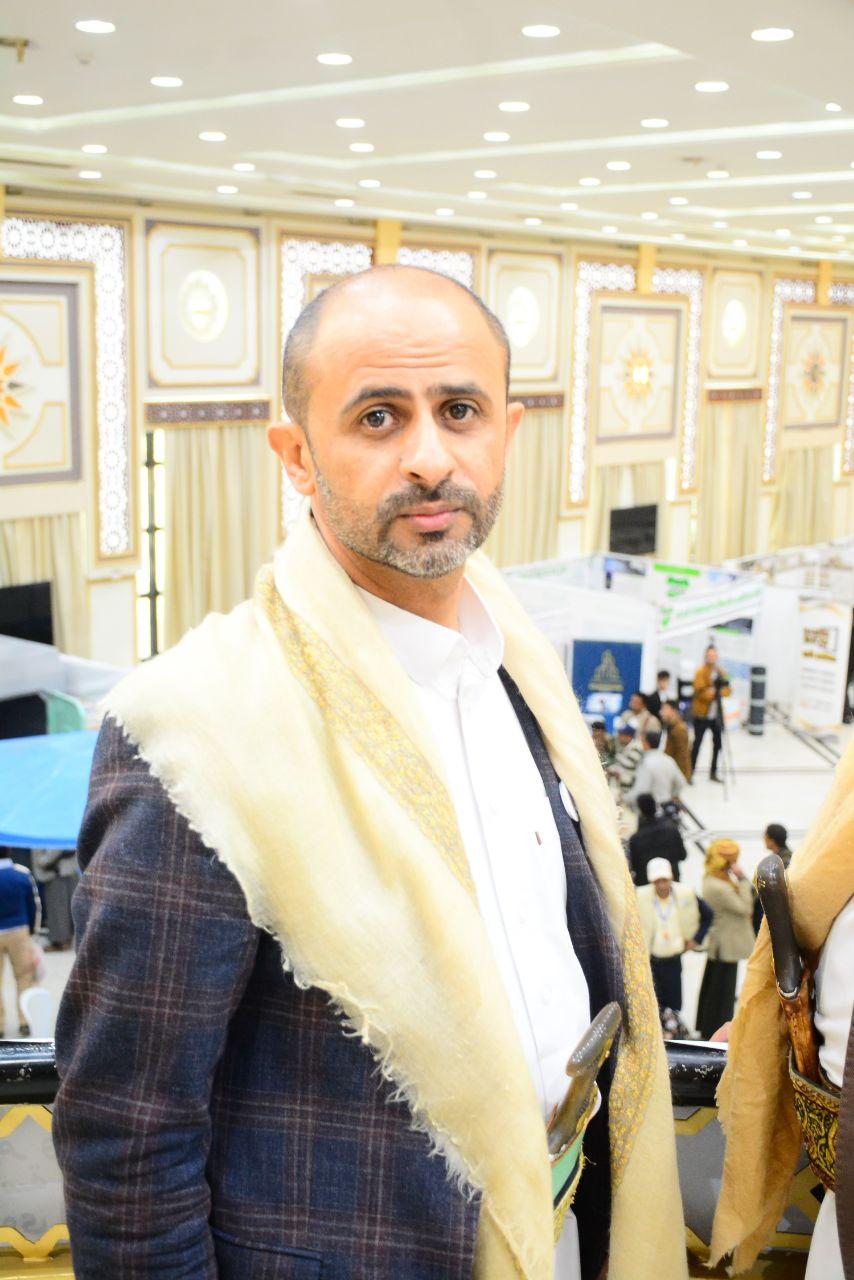
Chairman of the Real Estate Development Sector at the Chamber of Commerce and Industry in the Capital Secretariat of Sana’a, Issam Shumeila, to Investment Magazine:
Real estate development serves as a growth engine, boosting supply sectors and attracting expatriate remittances.
- We need a comprehensive property security system and greater incentives for investors.
- We proposed solutions to issues of property guarantees and legal documentation with advanced systems.
Businessman Issam Hizam Shumeila, Chairman of Dorr Real Estate Development Company and head of the Real Estate Development Sector at the Chamber of Commerce and Industry in the Capital Secretariat of Sana’a, believes that real estate development can serve as a driving force for national economic growth. This growth would be fueled by investments from within Yemen and remittances from Yemeni expatriates abroad, amounting to hundreds of millions of dollars annually. Despite the sector’s significant importance, Shumeila states that when real estate development stagnates, it impacts all interlinked sectors, exacerbates unemployment, and severely affects the workforce.
Shumeila, who also leads Shumeila and Sons for Oil Services, emphasizes the urgent need for investment incentives comparable to those offered by neighboring countries. Additionally, he highlights the necessity of a comprehensive property security system to prevent disputes after property transactions.
In an interview with Investment Magazine, Shumeila discusses the sector’s strategic plans, partnerships with government entities, the challenges it faces, and its critical role in the national economy.
Interview by Ahmed Hassan Al-Tayyar
Q: As Chairman of the Real Estate Development Sector and Deputy Chairman of the Economic Sectors, can you provide an overview of the sector and its importance?
The real estate development sector is one of the most crucial pillars of the national economy. It significantly influences and intersects with various other sectors, particularly supply chains for materials like iron, cement, and construction supplies, as well as the electricity sector. Furthermore, it absorbs foreign currency remittances from expatriates by channeling their funds into residential real estate projects. This connection makes it a vital player in the economy, as a large portion of real estate activities is funded by expatriates.
We’ve observed its direct impact during times of stagnation in the sector, which caused a ripple effect, leading to a halt in other sectors, increased unemployment, and severe repercussions for the workforce, including carpenters, builders, electricians, plumbers, and painters. The sector provides significant employment, and its downturn negatively affects incomes, national revenues, and the operations of related sectors.
The Chamber of Commerce leadership is working with us to develop solutions in partnership with relevant authorities, and we appreciate the upper echelons of government for their responsiveness.
Q: What does the real estate development sector represent, and what challenges has it faced?
The sector comprises a substantial number of entities—likely exceeding 20,000 companies—engaged in construction and development. Both public infrastructure projects and private housing developments rely heavily on this sector.
Q: What are the causes and impacts of stagnation in the real estate sector?
The stagnation stems from several issues, particularly delays in title deed approvals and the lack of legal guarantees for ownership documents. This deficiency often leads to disputes years after a transaction, despite approvals and government registrations. The absence of a robust ownership system has resulted in conflicts even decades later, unlike the streamlined systems in neighboring countries.
Q: How do property transfer issues affect the sector?
In Yemen, property transfers are primarily paper-based, which increases the likelihood of disputes. For instance, a purchaser may face legal challenges months or even years after a transaction, as the title deed lacks definitive legal standing. This issue arises from outdated laws that fail to provide adequate guarantees for ownership rights. In contrast, modern systems in neighboring countries can finalize property transfers within hours through official electronic processes, eliminating potential disputes.
Q: What are the sector’s current priorities?
Our top priorities include resolving issues related to property guarantees, legal documentation, and simplifying registration and transfer procedures to protect the rights of buyers, whether they are traders, expatriates, or citizens.
Q: Have you submitted any proposals?
Yes, we’ve outlined a comprehensive plan addressing the challenges facing the sector and proposed solutions. We also recommended creating a direct investment pathway for expatriates. Many Yemeni expatriates in Saudi Arabia, for example, prefer to invest there due to the attractive incentives, including those in real estate, which encourage them to relocate their families and settle abroad. This trend has led to significant losses in foreign currency inflows to Yemen.
Q: What steps are needed to remove these obstacles?
We need a comprehensive system encompassing property registration and robust incentives to encourage expatriates to return and invest. This requires higher incentives, a secure property framework, and simplified procedures. Only then can we claim success in revitalizing the national economy.
Q: What incentives and exemptions are you advocating for?
We’re calling for tax exemptions, enhanced property security, and streamlined judicial procedures. Many investors have experienced lengthy legal battles, some lasting over 15 years, which ties up their capital and leads to financial losses. Efficient dispute resolution mechanisms—ideally within three months—are essential.
Q: What is your opinion on a single-window system?
A single-window system would only be effective if paired with streamlined procedures, tax and customs incentives, and robust property security measures.
Q: How do you view the General Investment Authority’s role?
The authority is doing commendable work, but it requires stronger government support and legislative reforms to foster an investment-friendly environment. We are coordinating closely with them and other relevant entities to achieve solutions.
Q: What is your evaluation of the investment climate in Yemen?
The current climate lacks sufficient incentives. We need measures that rival those in neighboring countries to attract investors, including exemptions and security enhancements.
Q: What about incentives offered in neighboring countries?
Some countries offer citizenship for property investments as low as $250,000. Yemen must adopt competitive measures to reclaim its position as an attractive investment destination.
Comments