Investment Magazine / Special
In light of the trend towards enhancing food security and reducing dependence on imports, the success of cumin cultivation in Yemen, especially in the governorates of Hudaydah and Al-Jawf, has emerged as a promising agricultural achievement. This success was not just an individual experience, but opened new horizons for agricultural investment in the country, in line with the government's directives and programs to support the local economy.
The beginning of the story: Challenging the familiar and seeking change
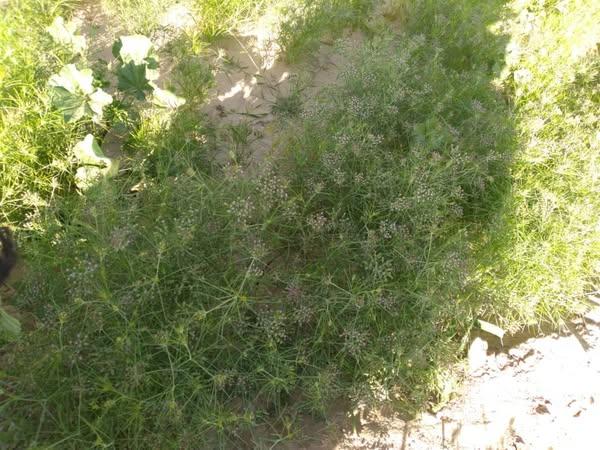
Farmer Ahmed Mohamed Yahya Barqi from the village of Kadaf Al-Barqi in Al-Qanous district in Hodeidah governorate, broke the traditional barrier in agriculture and decided to try growing cumin, a crop with high economic value but unknown in his area.
"I was looking for an opportunity to develop my agriculture and increase my income, so I thought of planting a new crop that could make a difference in my life and the lives of farmers around me," says Ahmed.
At first, Ahmed faced many challenges, including a lack of knowledge about cumin cultivation, a lack of suitable seeds, and some farmers' resistance to the idea. But he didn't give up, so he started researching and experimenting, using agricultural experts and online educational resources, until he was able to grow the first successful crop of cumin in Tihama.
Al-Jouf gets in on the action: Expanding the circle of success
The success was not limited to Tihama. Al-Masloub district in Al-Jawf governorate also witnessed an expansion in the cultivation of cumin, as farmers there emphasized that its cultivation is easy and inexpensive. They explained that cumin does not require organic fertilizers or pesticides, grows in fertile and normal lands, and does not require large amounts of water, making it an ideal choice for farmers in arid areas.
Al-Jouf farmers noted that cumin ripens in just three months, and one kilogram of it is sold at a price ranging from 4,000 to 6,500 Yemeni riyals, depending on the quality and care of the crop, making it a profitable crop with low costs.
The economic and investment impact of the success of cumin cultivation
The success of cumin cultivation has achieved great benefits on several levels:
1. economically: It opened the way for new investment opportunities and contributed to providing an additional source of income for farmers.
2. Environmentally: It helped to diversify agricultural crops and reduce dependence on traditional crops.
3. Investment: Cumin has become a promising option for investors, especially with the increasing demand for it in the local and international market.
Conclusion: A role model
Ahmed Barqi's experience in Tihama and Al-Jouf farmers is an inspiring success story that proves that innovation and experimentation can open up new horizons in the agricultural sector. Today, cumin has become a strategic crop that is scalable across Yemen, enhancing food security and creating new economic opportunities.
Ahmed concludes with a message for every farmer:
"The land is generous and gives to those who give to it. Don't be afraid to try, success may be closer than you think."
Comments